Blogs

Concentric, oval and eccentric tube cross-sections with diameter and center-offset markings on a white background, technical diagram.

Small-Diameter Copper Capillary Tube: Geometry, Inspection and Quality Control

A capillary tube can pass an outside-diameter check and still leave important questions unanswered. Is the bore the intended shape? Is the wall concentric? Did cutting deform the end? Does the test report refer to the delivered lot? Small external dimensions make these questions harder to answer by appearance alone. Quality control should connect the […]

Small-Diameter Copper Capillary Tube: Geometry, Inspection and Quality Control Read More »
Copper Capillary Tubes for Refrigeration: From a Starting Size to a Validated System

A refrigeration capillary can work satisfactorily at one test point and still leave unanswered questions about a hot room, a warm product load or a different compressor operating speed. A successful selection therefore needs more than a tube diameter and a single steady reading. The job is to match a fixed restriction to the equipment’s

Copper Capillary Tubes for Refrigeration: From a Starting Size to a Validated System Read More »

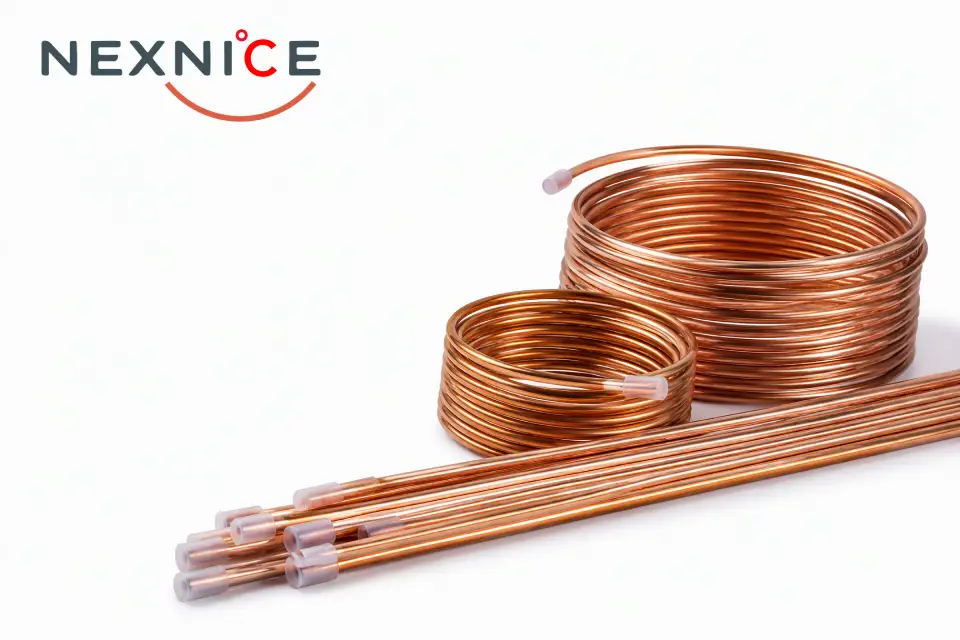
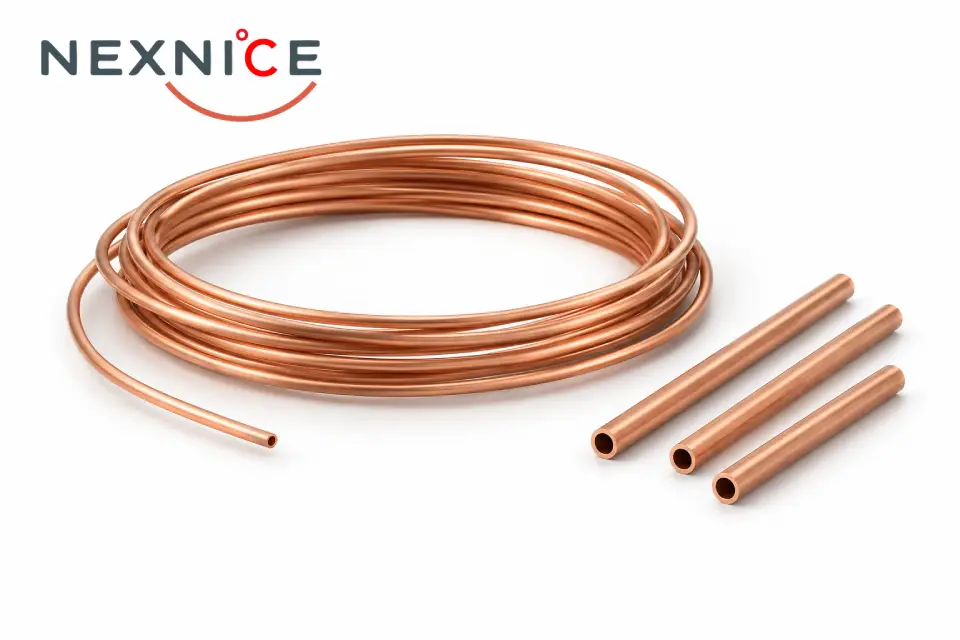
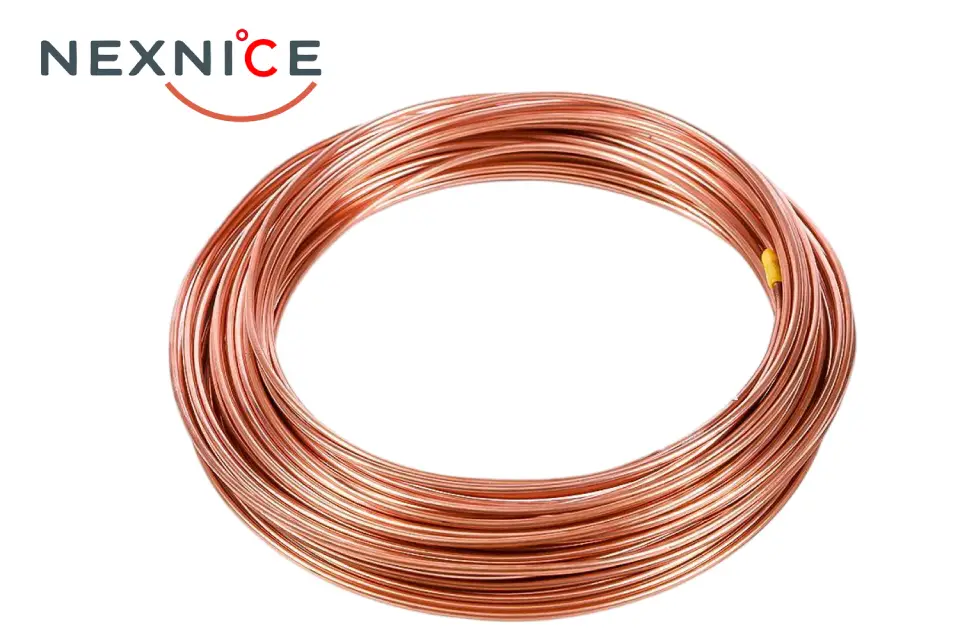
Fine copper capillary tubes with protected ends and compact coils on a clean white studio background, branded industrial product illustration.

Capillary Copper Tubes: A Guide to Function, Dimensions and Consistent Performance

A capillary copper tube is easy to describe visually: a small copper tube with a narrow internal passage. Its engineering identity is less obvious. The same-looking tube might be specified as a refrigerant restriction, a fluid passage, or a component in a custom assembly. The application determines which dimensions and tests matter. For refrigeration, the

Capillary Copper Tubes: A Guide to Function, Dimensions and Consistent Performance Read More »

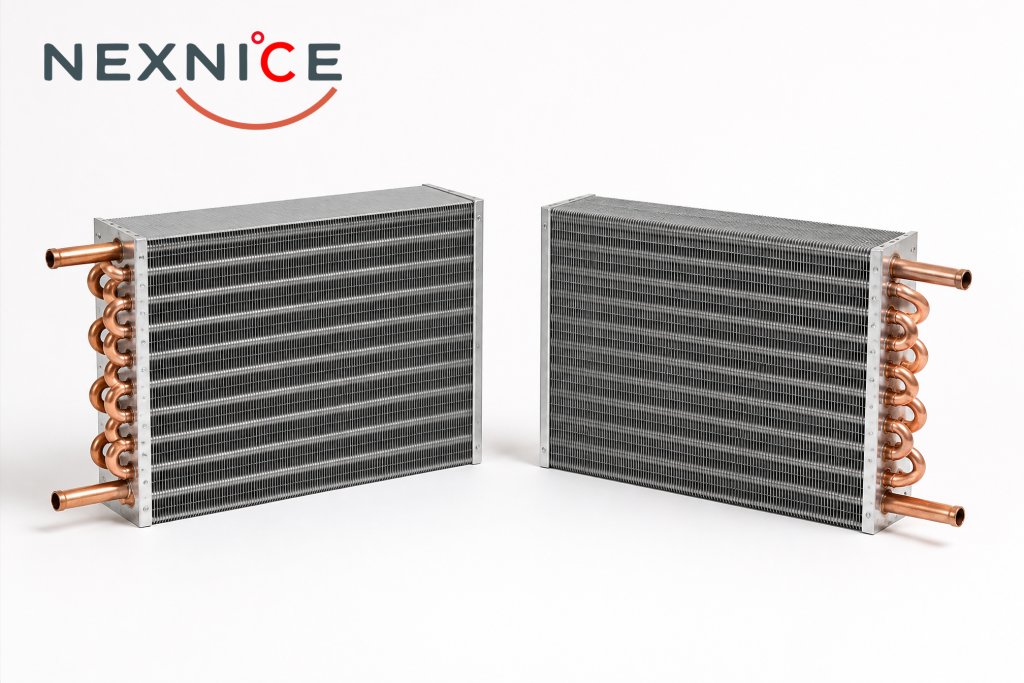
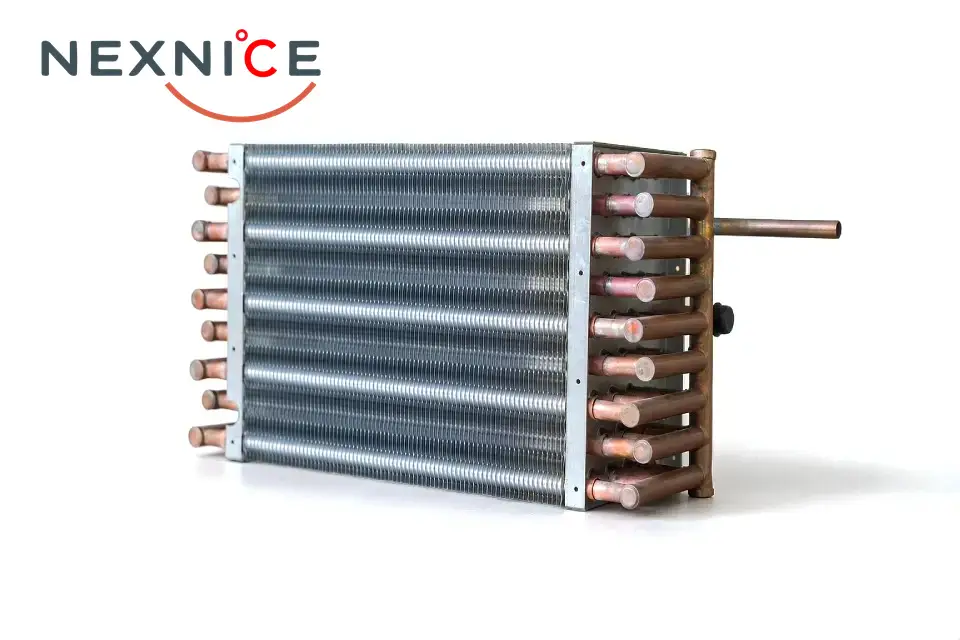
Two copper-tube heat exchanger coils with silver fins and return bends on a white studio surface, industrial illustration.

Copper Condenser vs Evaporator Coil Tubes: Different Jobs in the Refrigeration Cycle

Two copper coils may have similar fins, bends and connections while doing opposite jobs. A condenser rejects heat as refrigerant changes toward liquid; an evaporator absorbs heat as refrigerant changes toward vapor. Their names describe those thermodynamic roles, not a unique copper alloy or a permanent location indoors or outdoors. Understanding the difference helps an

Copper Condenser vs Evaporator Coil Tubes: Different Jobs in the Refrigeration Cycle Read More »

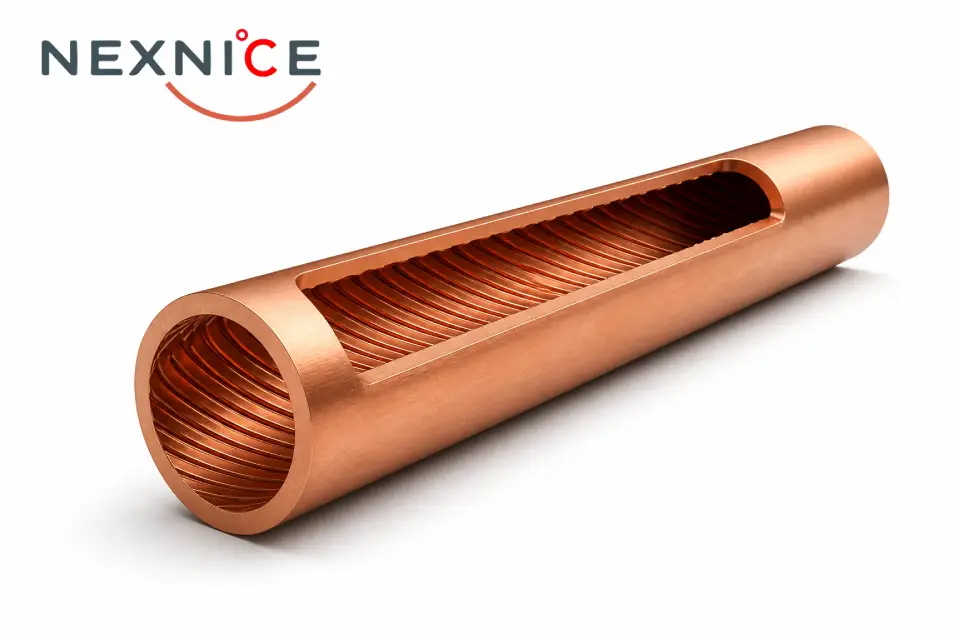
Inner-grooved copper tube with a longitudinal cutaway exposing internal ribs on a white background, 3D illustration.

Inner-Grooved Copper Tube Heat Transfer: What Improves and What Must Be Compared

An internal groove can make a copper tube more effective at exchanging heat with the fluid inside it. That does not mean a grooved replacement will increase the capacity of an existing coil by the same percentage. Tube-side performance is one part of a larger thermal and hydraulic system. The useful question is where the

Inner-Grooved Copper Tube Heat Transfer: What Improves and What Must Be Compared Read More »

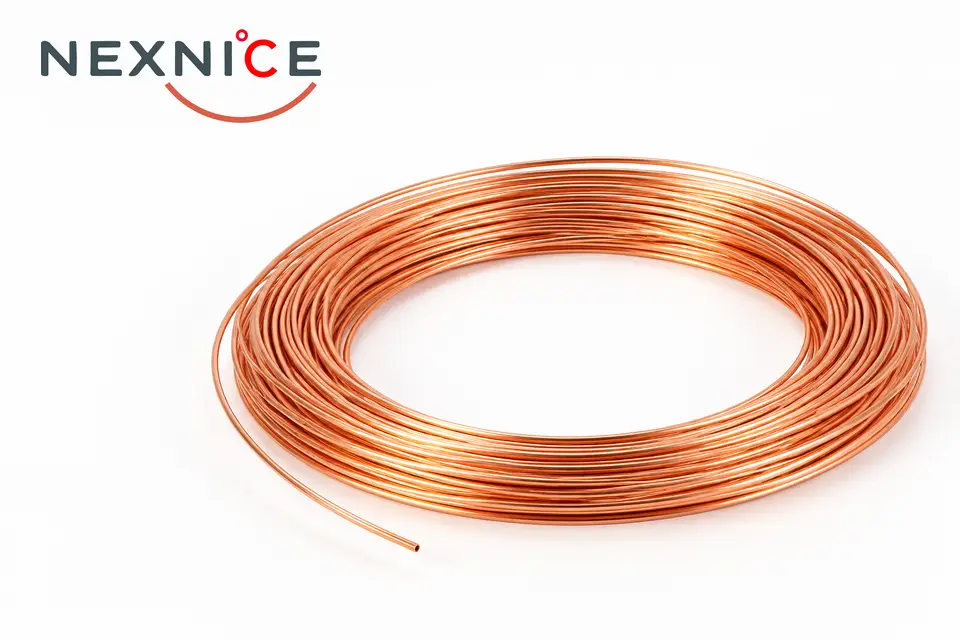
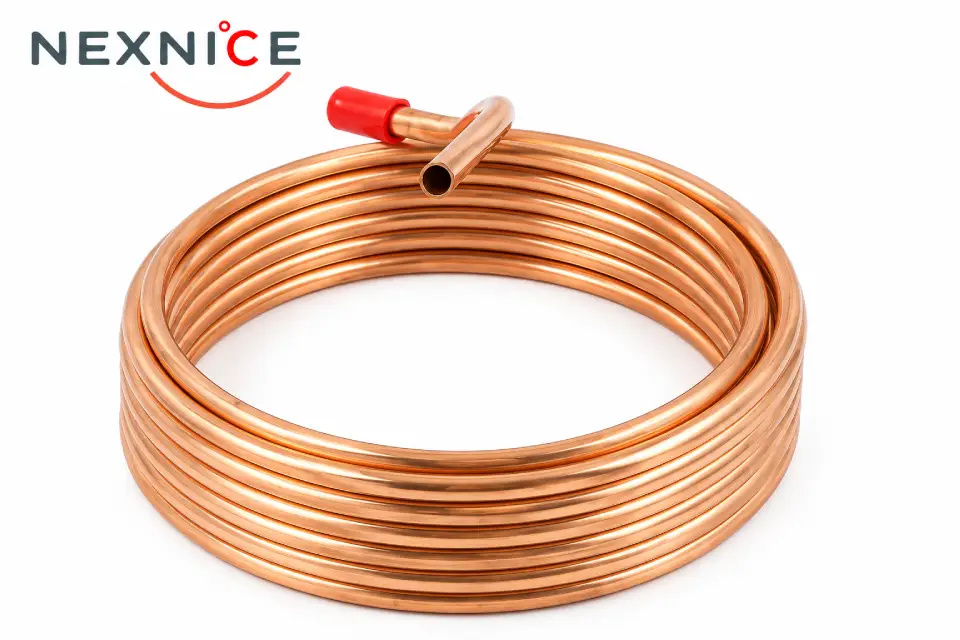
A soft copper coil with a red-capped end on a white background, showing the bright tube surface and open bore.

How to Choose Copper Tube for Heat Exchangers: Material, Size and Performance Factors

Two quotations can offer the same copper tube diameter and still describe different engineering products. One may specify nominal wall thickness before bending; another may guarantee a minimum wall. One may identify the alloy and temper; another may say only “seamless copper.” Those differences affect whether the finished exchanger can be rated, manufactured and accepted.

How to Choose Copper Tube for Heat Exchangers: Material, Size and Performance Factors Read More »

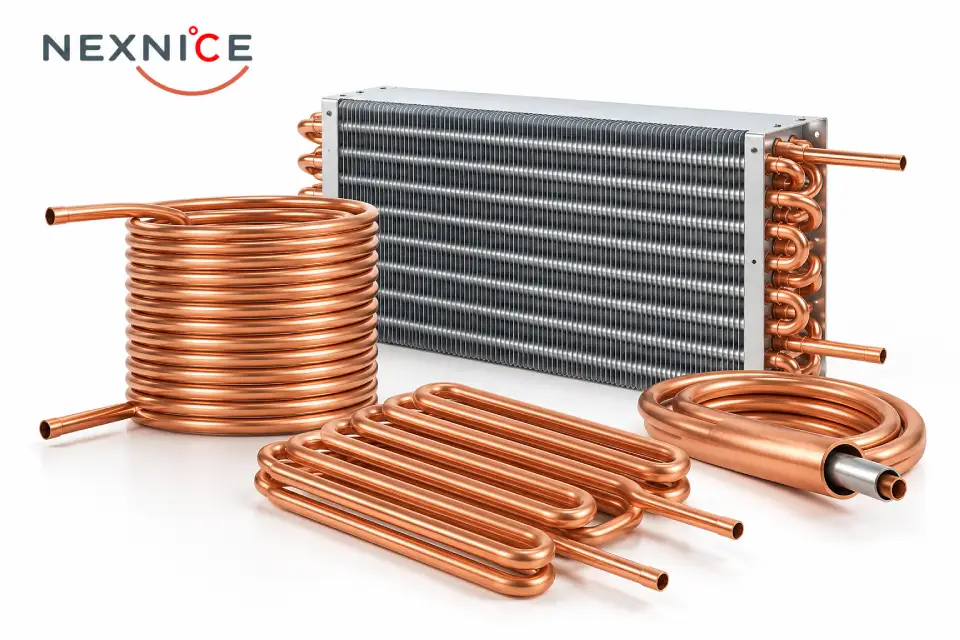
Copper tube heat exchanger coils and shell-and-tube components with inspection tools in an HVACR factory, realistic B2B cover photograph.

Copper Tube Heat Exchanger: Types, Applications and Selection Guide

When a heat exchanger drawing reaches the tube line, the specification can look deceptively short: alloy, outside diameter, wall thickness, length and temper. Those fields describe the tube, but they do not describe the job the tube must do. A copper tube heat exchanger may carry boiling refrigerant through a finned coil, move glycol through

Copper Tube Heat Exchanger: Types, Applications and Selection Guide Read More »

Copper Tube Size Standards: ASTM B280, EN 12735 and International Requirements

A quotation lists “ASTM, EN, and ISO” beneath a copper tube photograph. The project schedule names one product standard, a specific material condition, and a defined inspection package. Those two descriptions are not yet comparable. Useful copper tube standards information identifies the exact reference, its edition, its product scope, and the offered construction. Buyers also

Copper Tube Size Standards: ASTM B280, EN 12735 and International Requirements Read More »

Get A Quote